
Understanding Peripheral Artery Disease (PAD) and Peripheral Vascular Disease (PVD)
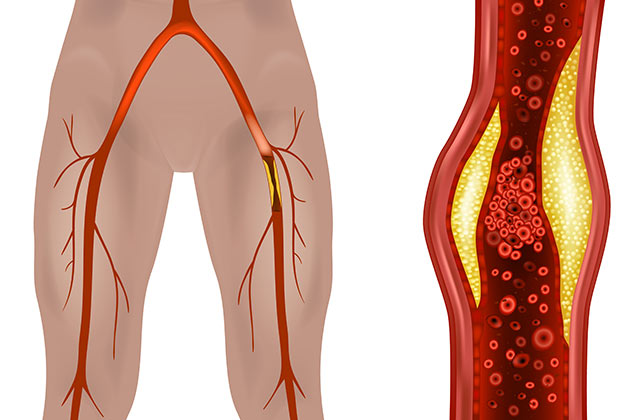
Peripheral Vascular Disease (PVD) is a broad term used to describe conditions that affect blood vessels outside of the heart and brain. Peripheral Artery Disease (PAD) is the most common and serious form of PVD and specifically involves narrowed or blocked arteries that reduce blood flow to the legs and feet.
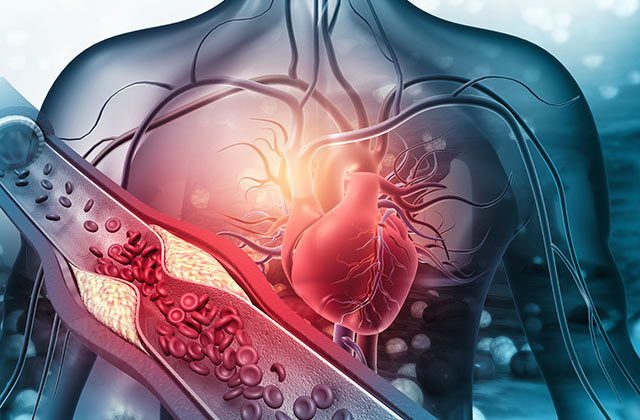
PAD is most often caused by atherosclerosis, a buildup of plaque made of fat, cholesterol, and other substances that harden and narrow the arteries. Over time, reduced blood flow can lead to pain, difficulty walking, non-healing wounds, infection, and increased risk of limb loss.
At Third River Health, we specialize in identifying and treating PAD early, helping patients restore circulation, support wound healing, and reduce serious complications.
Why PAD and PVD Matter
PAD is not just a circulation problem in the legs. It is often a sign of widespread cardiovascular disease and is closely associated with conditions such as diabetes, heart disease, and stroke.
When blood flow is limited:
- Tissues do not receive enough oxygen or nutrients
- Wounds heal more slowly or fail to heal
- The risk of infection and amputation increases
Early diagnosis and targeted treatment are critical to improving outcomes and preserving mobility.
Common Signs and Symptoms of PAD/PVD
Symptoms may range from mild to severe and can include:
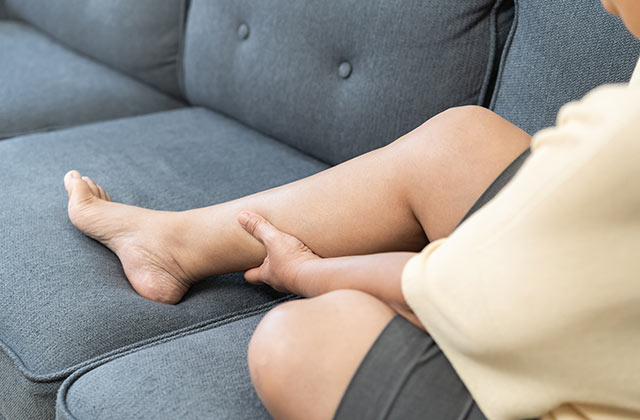
- Leg or hip cramping during walking or activity (claudication)
- Numbness, weakness, or heaviness in the legs
- Coldness in the lower leg or foot
- Slow-healing sores or ulcers on the feet or toes
- Changes in skin color or temperature
- Shiny skin or hair loss on the legs and feet
- Erectile dysfunction in men
Some patients may have PAD without noticeable symptoms, which is why screening and early evaluation are so important, especially for those with diabetes or a history of smoking.
PAD, PVD, and Chronic Wounds
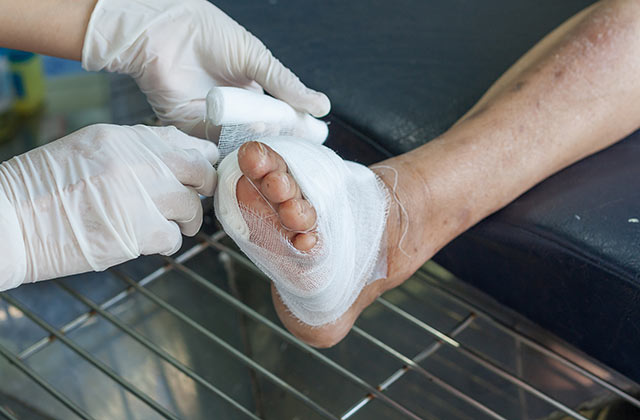
Poor circulation is one of the most common underlying causes of chronic, non-healing wounds, particularly diabetic foot ulcers, arterial ulcers, and wounds following surgery or trauma.
Without adequate blood flow:
- The body cannot deliver oxygen needed for tissue repair
- Immune response is impaired
- Infection risk increases significantly
At Third River Health, we evaluate circulation as a key part of every wound care plan, ensuring the underlying vascular issue is addressed, not just the surface wound.
How We Diagnose PAD and PVD
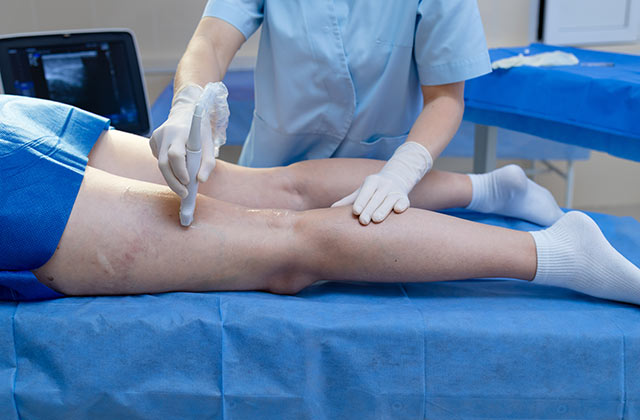
Accurate diagnosis is the foundation of effective treatment. Our team uses advanced, non-invasive tools to assess circulation and vascular health, including:
- Ankle-Brachial Index (ABI) testing
- Diagnostic ultrasound imaging
- Advanced vascular assessments when indicated
These tools allow us to identify the severity and location of arterial disease and tailor treatment accordingly.
PAD & PVD Treatment Options at Third River Health
Our approach to PAD and PVD focuses on restoring blood flow, supporting healing, and preventing disease progression. Treatment plans are individualized and may include:
Lifestyle and Medical Management
- Risk factor modification
- Medication management
- Coordination with primary care and specialty providers
Endovascular Therapy (Minimally Invasive)
- Angioplasty and stenting to open narrowed arteries
- Atherectomy to remove plaque buildup
- Targeted procedures designed to improve circulation without open surgery
Advanced Wound Care
- Comprehensive care for arterial and diabetic ulcers
- Infection control and offloading strategies
- Integration with vascular treatment for optimal healing
Hyperbaric Oxygen Therapy (HBOT)
- Enhances oxygen delivery to compromised tissues
- Supports healing in patients with PAD-related wounds
- Often used for chronic wounds that have not responded to standard care
Why Choose Third River Health for PAD and PVD Care
Specialized Expertise
Led by Dr. Paul Goen, our team has extensive experience treating complex vascular and wound-related conditions.
Advanced Technology
We utilize state-of-the-art diagnostics and minimally invasive treatments to support better outcomes.
Integrated, Patient-Centered Care
Our coordinated approach addresses both circulation and wound healing under one care team.
Accessible, In-Network Care
We work with many major insurance providers. Our team can help verify coverage and coordinate referrals.
Your Health, Our Network
We collaborate with a wide range of insurance providers to help make your care as accessible as possible. If your insurance is not shown here, please contact our office and we’ll confirm whether your plan is in-network.
Call (979) 459-1553 with any questions.

Take the Next Step Toward Better Circulation
PAD and PVD are manageable conditions when identified early and treated appropriately. If you or a loved one is experiencing symptoms of poor circulation or struggling with a non-healing wound, expert care can make a meaningful difference.
Contact Third River Health today to schedule an evaluation and learn more about advanced treatment options for PAD and PVD.